


















Application software models are the advanced digital solutions that provide key enhancements and services to modern enterprises. From streamlining operations to offering meaningful insights, different types of application software help refine operations and modernize enterprise workflow for growth.
With modern enterprises adopting AI and ML advancements for software growth, choosing the best software application for your workflow can be challenging. If you are looking to improve your operations and need help choosing the best software, this guide is for you.
In this blog, we give you a complete overview of the types of software applications, their capabilities, and how to choose the right one for your business.
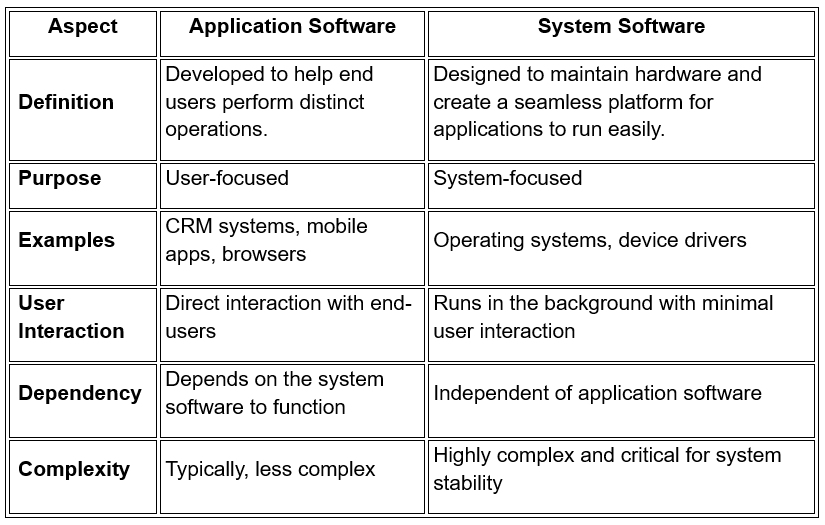
Difference Between Application Software vs System Software
Types of Application Software
Web Applications
Web applications are a digital framework that relies heavily on web browsers to operate on remote servers and to be accessed via the internet. By eliminating the need to install the application on the device, they offer a unified experience across devices. Businesses adopt web applications to deliver services to a wide audience without worrying about device compatibility.
Some of the best examples of web applications include customer portals, SaaS platforms, and internal dashboards. With the applications completely running in the cloud and online, releasing product updates and maintenance can be done easily for smoother platform functionality.
Benefits:
* It is accessible anywhere from any device with a browser
* No installation needed
* Centralized data and version control
* Easier deployment and maintenance
Mobile Applications
Developed for convenience, Mobile applications are specifically designed for smartphones and tablet devices. As a platform to engage users, businesses leverage mobile apps with real-time push notifications and personalized experiences. With mobile applications crucial for customer interaction, industries like banking, healthcare, and e-commerce focus more on optimizing mobile applications.
While they offer superior usability, development, and maintenance costs can be a little higher when complying with app store requirements.
Benefits:
* User experience tailored for mobile devices
* Access to device features like GPS and camera
* High user engagement through notifications
* Offline functionality in many cases
Desktop Applications
Desktop applications are built-in and easy to download applications on your computer, which run locally without requiring constant internet access. As computers provide high processing power, desktop application is an ideal place to perform operations like video editing, software development, and data analysis. Organizations that handle large datasets or require advanced computing needs can rely on desktop applications for consistent performance.
By offering great control over system resources, they lack the flexibility of web-based solutions and require manual updates, which can create version inconsistencies across users.
Benefits:
* High performance and processing speed
* Enhanced security control
* Better handling of large data and complex tasks
* No dependency on internet connectivity
Enterprise Applications
Next on the list is Enterprise applications. Developed as large-scale software systems, they are applications that manage and integrate core business processes across departments. Eg, ERP, CRM, and HR management systems.
As a centralized application, they eliminate data silos, improve workflow efficiency, and automate workflows, enabling businesses with actionable insights and improved decision-making. As a platform that powers enterprise operations, the implementation part can be complex and resource-intensive, which needs careful planning and integration with existing systems.
Benefits:
* Centralized data and unified workflows
* Improved operational efficiency
* Enhanced reporting and analytics
* Scalable for growing organizations
Cloud-Based Applications
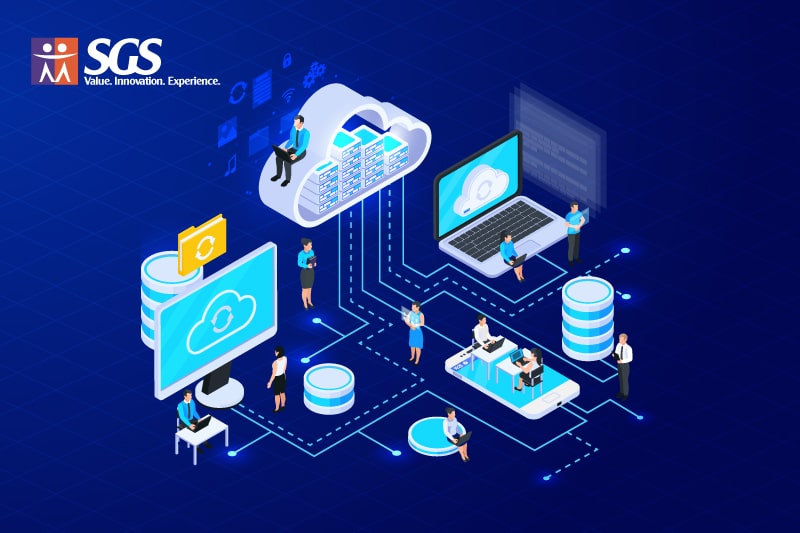
Cloud applications are the state-of-the-art systems that process every function over the cloud instantly. By utilizing remote services, they eliminate the need for physical servers and infrastructure for enterprises. The idea of running completely on virtual servers brings the flexibility for enterprises to improve team collaboration, perform operations anywhere at high-speed cloud support.
Besides being a virtual bridge that connects teams and streamlines operations, they also store data, analyze it, and perform multiple data operations online. Despite these advantages, data security and internet dependency are concerning matters that must be addressed.
Benefits:
* On-demand scalability
* Lower infrastructure and maintenance costs
* Remote accessibility and collaboration
* High availability and disaster recovery support
Progressive Web Applications (PWAs)
To provide users with the power and speed of web applications and the convenience of mobile applications, engineers developed Progressive Web Applications. As an application built for flexibility and performance, PWAs offer offline access, faster loading, and can be installed with no need for app stores.
The inception of PWA is to improve user engagement and help enterprises to rely on software solutions with minimal upfront costs in development. As a platform for convenience, many brands like YouTube, Pinterest, Spotify, Starbucks, and other brands rely on PWAs.
Advantages:
* No app store dependency
* Fast and responsive performance
* Reduced development and maintenance costs
* Improved user engagement and retention
AI-Powered Applications
The final application we bring you on the list is an AI-powered application. As the name says, the complete functionality of the application is powered by AI intelligence. From undergoing data analysis, automating workflow, and forecasting, businesses use AI-powered apps for their workflow.
As a powerful platform with intelligence, the application's effectiveness depends on data quality, model accuracy, and continuous optimization to avoid bias and ensure reliability.
Benefits:
* Data-driven insights and decision-making
* Automation of repetitive processes
* Personalized user experiences
* Improved operational efficiency
How to Choose the Right Software Application for Businesses
Finding the right application software should start with a clear understanding of how the application serves the business needs, operational challenges, and development initiatives. Instead of focusing on features and choosing the most popular solution, check how it aligns with your ideas and goals.
We recommend focusing on applications that offer scalability, easy integration, and responsive UI/UX. The right software should enhance productivity, streamline workflows, and adapt effortlessly as your business grows.
If you're confused about how to choose an off-the-shelf software solution for your business workflow, then get your tailored business application by choosing Custom Software development services. Wondering what they are and how it benefits your enterprise, by visit our insights section for a detailed blog post.