









Blogs

How AI and Automation Are Modernizing Enterprise Applications

 1

Industries from finance, supply chain, healthcare, IT, and others rely on Software solutions to gain seamless workflow. From processing tasks to refining workflow, enterprises rely on AI and Automation to modernize their enterprise applications. With legacy businesses looking for modernization opportunities, there is a question lingering on business owners: How is AI or automation beneficial for businesses and enterprise systems?

To prove the point, we have come up with a detailed blog on how AI and automation are modernizing enterprise applications and services. In here, we have discussed the role of AI and automation in app development, their benefits, and challenges in detail. Let's have a look.


Role of AI and Automation in Enterprise Application Development


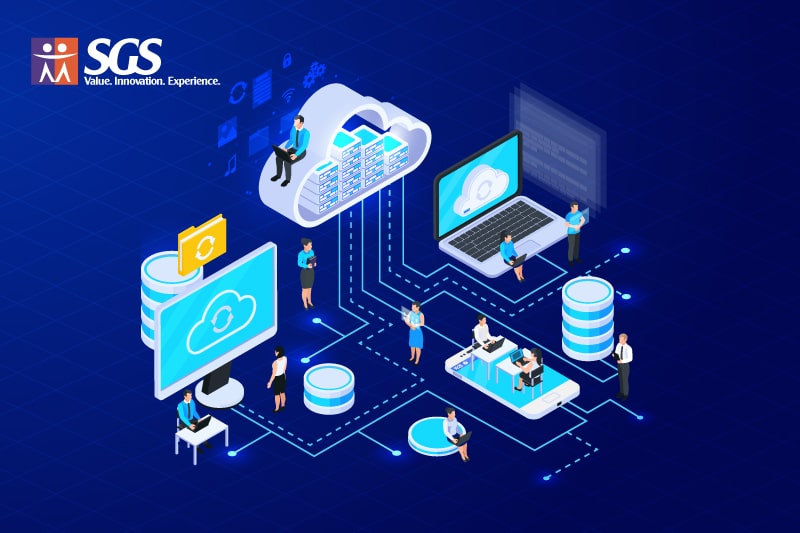
To provide a seamless solution and empower enterprise workflow, modern businesses are leveraging AI and automation in their strategy. By refining the core functionality, API, and structure, AI is helping teams to develop smarter and scalable applications for enterprises.

When it comes to legacy platforms, the core architecture is to run predefined operations more smoothly. However, in this advanced technological era, enterprise needs smarter analysis and scalability, which legacy applications fail to provide. So, to bring changes in enterprise applications, developers introduced AI to bring cognitive capabilities to the enterprise system.

With AI intelligence and Machine Learning analysis, enterprise applications can learn and analyze data to improve decision-making, automate repetitive tasks, and gather market insight. For example, this unique approach can help an enterprise to predict market fluctuations, find anomalies, and provide recommendations to execute the operations for seamless growth.

Moreover, in enterprise application development, AI-driven development tools are also improving the software lifecycle. Developers can leverage AI-assisted coding and automate testing to deliver applications faster, adhering to quality standards.


Key Advantages of AI and Automation in Enterprise Applications


Improved Operational Efficiency 

AI comes with intelligent automation solutions that eliminate the manual errors on repetitive tasks and help teams save time. Moreover, the automated workflows streamline business processes such as order processing, inventory updates, and invoice handling. This way, employees can work on critical activities rather than administrative work.

Data-Driven Decision Making

To improve customer service and to learn the market outcomes, enterprises often feed large amounts of data to their applications. With a traditional approach taking hours to identify potential data, a smart AI analysis model can observe the data to uncover patterns, predict trends, and provide actionable insights. Enabling businesses to gain resourceful leads to make data-driven decision-making.

Enhanced User Experience

From creating lasting impact to focusing on development initiatives, AI and automation create seamless user experiences. With AI-powered chatbots, agents, and personalized dashboards integrated into applications, provide seamless software that improves user experience and engagement.

Faster Application Development and Deployment

Testing, code optimization, and deployment can stretch when the evaluation is made manually. With AI and automation testing tools integrated into the development lifecycle, teams can speed up the code creation, testing, and deployment instantly. Powered by AI intelligence, teams can access code suggestions, find vulnerabilities, and automate testing scenarios. Thus, reducing the development cycle speeds up application rollout.

Improved Accuracy and Reduced Errors

The term Err to humans often occurs in enterprise operations. To create perfection and streamline smoother processing, the development team brings in AI and automation. With the precise automation and AI intelligence, teams can reduce the inconsistencies and errors in repetitive tasks. Moreover, AI-driven validation mechanisms can step up the game by detecting anomalies in operations, preventing incorrect data entries, and more, to maintain operational stability.


Challenges in Implementing AI and Automation


Upon improving every aspect of enterprise operations, there are some challenges that enterprises face when implementing AI and automation. Here are some for reference.

Legacy System Complexity

Brands that continue legacy workflow and architecture often find AI and automation incompatible with each other. To bring them to the workflow blend, developers need continuous restructuring, migration, and modernization efforts.

Data Quality and Availability

To experience smarter intelligence and predictive data of AI, enterprises need to integrate their data lake with AI models. However, when AI models come into inconsistent data structures, records, and siloed databases can hinder your service adoption. So, as a solution, organizations must follow a dedicated data governance structure before bringing intelligent AI systems.

Security and Compliance

B2B or B2C enterprise applications frequently deal with sensitive business and customer data. As a productive and enhancing measure, AI and automation integration can enforce newer security policies, including data privacy, access controls, and regulatory compliance.


How SGS Offers Enterprise Application Modernization


From creating impact to offering seamless support and power to grow, AI and automation have turned out to be a go-to service for perfection. With SGS helping government and private agencies with Legacy Application Modernization support, our expertise turns legacy workflows more efficient and rewarding.

Here is a detailed approach on how we make AI and Automation possible for enterprises


Strategic Modernization Approach

From the start, we begin the implementation process with a neat and expert consultation, assess and learn the platform requirements. This approach includes overseeing system architecture, limitations, integration challenges, and business requirements. Based on this analysis, we at SGS build a modernization roadmap for your enterprise goals.

AI-Driven Application Support

To improve application functionality, predictive skills, and automation, we implement AI solutions in enterprise applications. With improved and advanced AI processing, we help businesses unlock true data insights from operations and improve development initiatives across departments.

Intelligent Workflow Automation

To empower business workflow, run challenging business operations, and remove bottlenecks, we design an exclusive automation framework. Through automation, we strengthen operational power, consistency, and compliance across the enterprise.

Secure and Scalable Integration

Modern enterprises need to rely on interconnected systems for scalable performance. We understand them and lay a seamless roadmap to improve connectivity between enterprise applications, third-party platforms, and data environments.

Continuous Optimization and Support

Enterprise modernization is a connective and continuous process, so we at SGS push this to the next level with ongoing support. With continuous monitoring, performance optimization, and system support, we make sure your applications remain efficient and tailored to your business intelligence for smoother operation.

Wish to improve your operational game with smarter AI and automation support? Connect with SGS AI experts for a free consultation.

Category : Technology

Industries from finance, supply chain, healthcare, IT, and others rely on Software solutions to gain seamless workflow. From processing tasks to refining workflow, enterprises rely on AI and Automation to modernize their enterprise applications. With legacy businesses looking for modernization opportunities, there is a question lingering on business owners: How is AI or automation beneficial for businesses and enterprise systems?

To prove the point, we have come up with a detailed blog on how AI and automation are modernizing enterprise applications and services. In here, we have discussed the role of AI and automation in app development, their benefits, and challenges in detail. Let's have a look.


Role of AI and Automation in Enterprise Application Development


To provide a seamless solution and empower enterprise workflow, modern businesses are leveraging AI and automation in their strategy. By refining the core functionality, API, and structure, AI is helping teams to develop smarter and scalable applications for enterprises.

When it comes to legacy platforms, the core architecture is to run predefined operations more smoothly. However, in this advanced technological era, enterprise needs smarter analysis and scalability, which legacy applications fail to provide. So, to bring changes in enterprise applications, developers introduced AI to bring cognitive capabilities to the enterprise system.

With AI intelligence and Machine Learning analysis, enterprise applications can learn and analyze data to improve decision-making, automate repetitive tasks, and gather market insight. For example, this unique approach can help an enterprise to predict market fluctuations, find anomalies, and provide recommendations to execute the operations for seamless growth.

Moreover, in enterprise application development, AI-driven development tools are also improving the software lifecycle. Developers can leverage AI-assisted coding and automate testing to deliver applications faster, adhering to quality standards.


Key Advantages of AI and Automation in Enterprise Applications


Improved Operational Efficiency 

AI comes with intelligent automation solutions that eliminate the manual errors on repetitive tasks and help teams save time. Moreover, the automated workflows streamline business processes such as order processing, inventory updates, and invoice handling. This way, employees can work on critical activities rather than administrative work.

Data-Driven Decision Making

To improve customer service and to learn the market outcomes, enterprises often feed large amounts of data to their applications. With a traditional approach taking hours to identify potential data, a smart AI analysis model can observe the data to uncover patterns, predict trends, and provide actionable insights. Enabling businesses to gain resourceful leads to make data-driven decision-making.

Enhanced User Experience

From creating lasting impact to focusing on development initiatives, AI and automation create seamless user experiences. With AI-powered chatbots, agents, and personalized dashboards integrated into applications, provide seamless software that improves user experience and engagement.

Faster Application Development and Deployment

Testing, code optimization, and deployment can stretch when the evaluation is made manually. With AI and automation testing tools integrated into the development lifecycle, teams can speed up the code creation, testing, and deployment instantly. Powered by AI intelligence, teams can access code suggestions, find vulnerabilities, and automate testing scenarios. Thus, reducing the development cycle speeds up application rollout.

Improved Accuracy and Reduced Errors

The term Err to humans often occurs in enterprise operations. To create perfection and streamline smoother processing, the development team brings in AI and automation. With the precise automation and AI intelligence, teams can reduce the inconsistencies and errors in repetitive tasks. Moreover, AI-driven validation mechanisms can step up the game by detecting anomalies in operations, preventing incorrect data entries, and more, to maintain operational stability.


Challenges in Implementing AI and Automation


Upon improving every aspect of enterprise operations, there are some challenges that enterprises face when implementing AI and automation. Here are some for reference.

Legacy System Complexity

Brands that continue legacy workflow and architecture often find AI and automation incompatible with each other. To bring them to the workflow blend, developers need continuous restructuring, migration, and modernization efforts.

Data Quality and Availability

To experience smarter intelligence and predictive data of AI, enterprises need to integrate their data lake with AI models. However, when AI models come into inconsistent data structures, records, and siloed databases can hinder your service adoption. So, as a solution, organizations must follow a dedicated data governance structure before bringing intelligent AI systems.

Security and Compliance

B2B or B2C enterprise applications frequently deal with sensitive business and customer data. As a productive and enhancing measure, AI and automation integration can enforce newer security policies, including data privacy, access controls, and regulatory compliance.


How SGS Offers Enterprise Application Modernization


From creating impact to offering seamless support and power to grow, AI and automation have turned out to be a go-to service for perfection. With SGS helping government and private agencies with Legacy Application Modernization support, our expertise turns legacy workflows more efficient and rewarding.

Here is a detailed approach on how we make AI and Automation possible for enterprises


Strategic Modernization Approach

From the start, we begin the implementation process with a neat and expert consultation, assess and learn the platform requirements. This approach includes overseeing system architecture, limitations, integration challenges, and business requirements. Based on this analysis, we at SGS build a modernization roadmap for your enterprise goals.

AI-Driven Application Support

To improve application functionality, predictive skills, and automation, we implement AI solutions in enterprise applications. With improved and advanced AI processing, we help businesses unlock true data insights from operations and improve development initiatives across departments.

Intelligent Workflow Automation

To empower business workflow, run challenging business operations, and remove bottlenecks, we design an exclusive automation framework. Through automation, we strengthen operational power, consistency, and compliance across the enterprise.

Secure and Scalable Integration

Modern enterprises need to rely on interconnected systems for scalable performance. We understand them and lay a seamless roadmap to improve connectivity between enterprise applications, third-party platforms, and data environments.

Continuous Optimization and Support

Enterprise modernization is a connective and continuous process, so we at SGS push this to the next level with ongoing support. With continuous monitoring, performance optimization, and system support, we make sure your applications remain efficient and tailored to your business intelligence for smoother operation.

Wish to improve your operational game with smarter AI and automation support? Connect with SGS AI experts for a free consultation.
Category
images
enterprise application development services