









Blogs

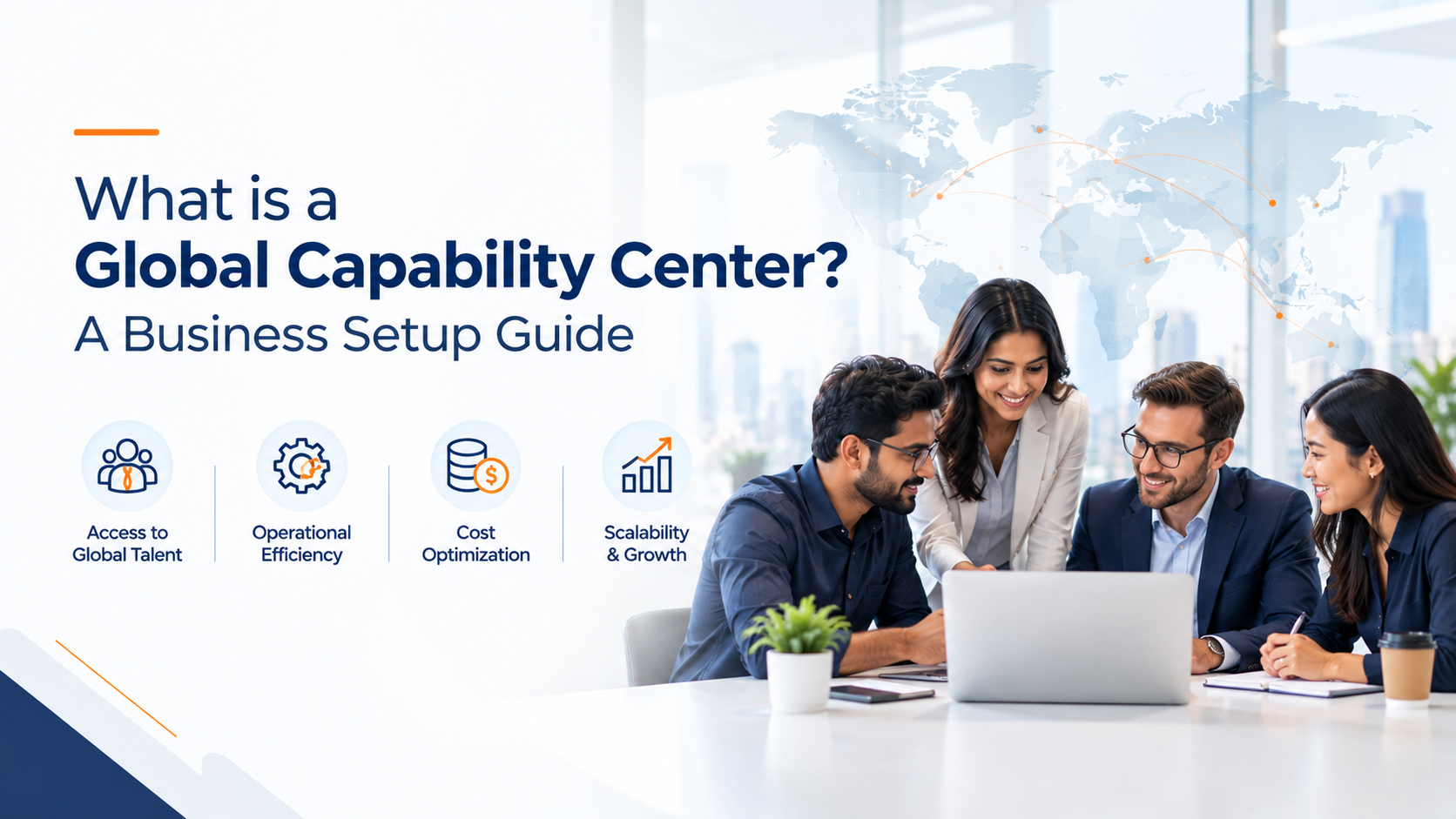
What is a Global Capability Center? A Business Setup Guide

 1

Building a team and expanding business operations can be tedious with the long hiring process and finding talented personnel. To streamline all the problems and to build a perfect workflow and environment, a Global Capability Center is the right thing a business needs.

A Global Capability Center (GCC) is an extended business unit that allows an organization to handle core operations or supporting ones in another location to support and manage internal operations. By building offshore or nearshore offices, they tend to be a valuable resource that works solely for the parent company. If you're a business exploring global expansion, understanding what a GCC is, how it differs from standard outsourcing, and how to establish one is a long game. So, we explained what and how a GCC helps a business in detail in the following blog.


What is a Global Capability Center (GCC)?


A Global Capability Center (GCC) is an offshore or nearshore business unit established by a service provider for a single parent company. Back in the old days, these capability centers were established to handle back-office activities and routine support functions. However, today modern enterprises understand the importance of implementing GCCs to handle their core software or support functions. Some of the operations that a GCC carries out include software development, data analytics, cybersecurity, product engineering, research and development (R&D), and more.

With GCC being familiar to a conventional outsourcing partner, they differ. A GCC operates as an extension unit of the parent organization, where the company holds greater control over its teams, operational processes, technology, and strategic priorities.

For example, a US-based company can establish a GCC in India or another country to manage its engineering, financial operations, data analytics, or other operations. The GCC's core purpose is not simply to build another operational unit in another country, it helps build a resource that can help a business to scale over time and reduce cost.


Types of Global Capability Centers


A GCC consists of multiple models that offer different business functions and ownership. Based on the business requirements, they are classified and established accordingly.

Captive Model

A Captive GCC is a unit that is fully owned and funded by the parent company. By owning full ownership, the parent has direct control over employees, technology, operations, and business decisions. As a model that is fully dependent on the parent company, this model requires significant initial investment and responsibilities to manage it.

Hybrid Model

As the name suggests, the Hybrid GCC model is a mix of an internal team with selected outsourced services. With the parent company handling core business operations, the external team is assigned to handle specific tasks. As a model that offers flexibility and helps handle operations, specific brands go with Hybrid models.

Build-Operate-Transfer (BOT) Model

This is a classic GCC model that most businesses go for. Under BOT, the GCC provider will handle the establishment and management of the center over a period of time. Once the center becomes operational and stable enough, they will hand over the ownership and management to the parent company, helping to reduce the initial setup burden.

Joint Venture Model

This is a model in which a GCC partner and the parent company join hands to build and manage the center from the start. Both parties will take care of investments, responsibilities, and operational control, which are subject to the agreement.


Outsourcing vs. GCC: What is the Difference?


By enabling businesses with access to good talent, GCC and outsourcing offer better services. Yet, they differ in ownership and management.

In outsourcing, an organization engages a third-party provider to gain dedicated services. The provider helps deliver the agreed scope of work mentioned in contractual terms, service-level agreements, and performance expectations. With these services, they help organizations quickly without establishing an internal operation.

On the other hand, a GCC helps establish a dedicated team that works completely under the control of the holding company's organizational structure. The company can have a say in hiring, processes, technology decisions, and long-term business plans, which are subject to the model they choose.

For example, consider a business that needs a software development team. By approaching an outsourcing partner, they help deliver a technology partner to deliver a defined project. Whereas in a GCC, they help you develop a complete engineering team that works on ongoing product development, understands business logic, and aligns with the company's culture.


Key Process in Setting Up a Global Capability Center


Like every business decision, establishing a GCC needs thorough planning for business strategy, location, infrastructure, governance, and compliance. This helps to avoid unnecessary spending and to build a solid team that aligns with the business needs.

Finalize business objectives:

Before engaging a GCC partner, meet with your stakeholders and other individuals to finalize the objectives of what your GCC must solve. Based on the objectives, your business can establish a perfect GCC unit and choose a wise location where it thrives.

Pick Your Country:

As we discussed above, once prioritizing the objectives, you can have a clear idea to you're your location. Based on the requirements, you can evaluate talent availability, operation costs, infrastructure, connectivity, and the local business environment. Most organizations find India a perfect GCC location to find certified talent, reduce upfront investment, support R&D, and ensure business continuity 24/7.

Choose your operating model:

Once you are ready with your requirements and all, the next step is to choose a GCC model that suits your business style. You can either go for a completely owned entity, a build-operate-transfer arrangement, or adopt other suitable models. Finalizing on a model can give you flexibility over operations and investment returns.

Build Your Team:

In the final step, establish your GCC by building the right team. Assign leadership, bring in qualified talent, and set up the right technology, security, and governance requirements. Also, ensure you assess Legal, tax, employment, intellectual property, and data protection obligations with qualified advisors.


Benefits of Establishing a GCC


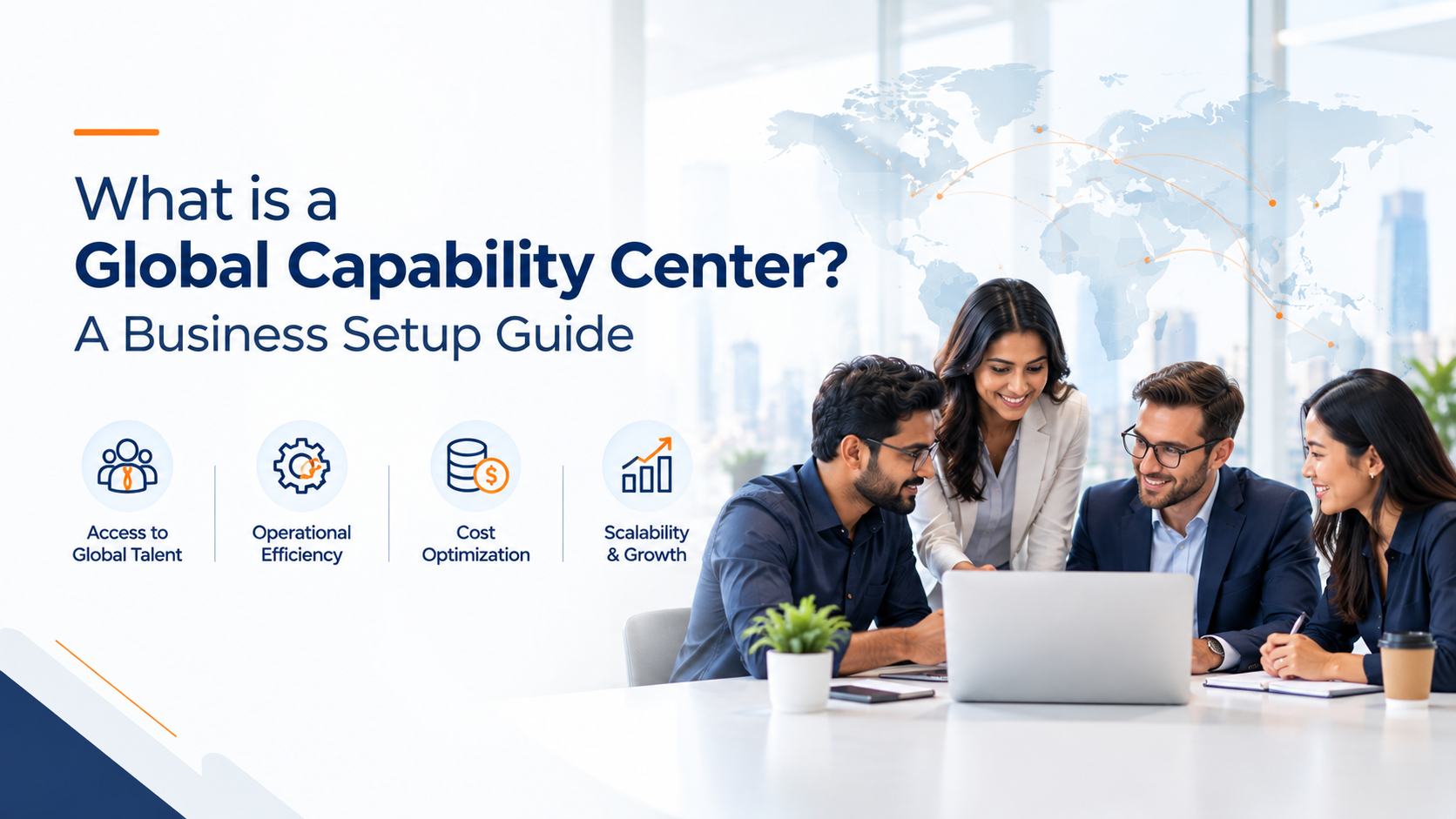
By offering flexible support and growth to a business, a GCC unit can deliver multiple advantages to an organization. Let's see some of the benefits that a GCC offers to an organization.

  • Operational control: A dedicated resource of certified talent working under the company's governance structure can help organization to maintain oversight of operations, priorities, processes, and performance.
  • Access to specialized talent: Finding the right talent is a tiring process that HR teams struggle with. With a tailored GCC setup, organizations can recruit skills that may be difficult or expensive to source in their primary markets.
  • Scalable operations: By being a helping hand to the company, GCCs help improve the technical capabilities of the business and maintain high standards to meet the growing demand of business requirements.
  • Improved cost management: By helping to find the right talent, reducing infrastructure setup, and offering scalable growth, GCCs help organizations with cost management, compliance, and upfront investments for operations.
  • Stronger global collaboration: By delegating operations and empowering team collaboration, GCCs help teams to work consistently across business units and geographical locations.


Build a GCC That Grows With Your Business


The idea of establishing a GCC comes with a lot of strategic decisions and thorough research into selecting a location and recruiting employees. By choosing the right model that aligns to their workflow and business style will yield long-term goals for the company.

At SGS Technologie, we guide businesses on their GCC journey by supporting them with technology planning, software development, enterprise services, cloud infrastructure development, data engineering, and other digital solutions. From offering flexible solutions to complete development, we help organizations to find the right model that help them achieve their long-term goals.

Looking to expand your business operations with a GCC partner? Contact us today to discuss your GCC requirements with our experts.

Category : Technology

Building a team and expanding business operations can be tedious with the long hiring process and finding talented personnel. To streamline all the problems and to build a perfect workflow and environment, a Global Capability Center is the right thing a business needs.

A Global Capability Center (GCC) is an extended business unit that allows an organization to handle core operations or supporting ones in another location to support and manage internal operations. By building offshore or nearshore offices, they tend to be a valuable resource that works solely for the parent company. If you're a business exploring global expansion, understanding what a GCC is, how it differs from standard outsourcing, and how to establish one is a long game. So, we explained what and how a GCC helps a business in detail in the following blog.


What is a Global Capability Center (GCC)?


A Global Capability Center (GCC) is an offshore or nearshore business unit established by a service provider for a single parent company. Back in the old days, these capability centers were established to handle back-office activities and routine support functions. However, today modern enterprises understand the importance of implementing GCCs to handle their core software or support functions. Some of the operations that a GCC carries out include software development, data analytics, cybersecurity, product engineering, research and development (R&D), and more.

With GCC being familiar to a conventional outsourcing partner, they differ. A GCC operates as an extension unit of the parent organization, where the company holds greater control over its teams, operational processes, technology, and strategic priorities.

For example, a US-based company can establish a GCC in India or another country to manage its engineering, financial operations, data analytics, or other operations. The GCC's core purpose is not simply to build another operational unit in another country, it helps build a resource that can help a business to scale over time and reduce cost.


Types of Global Capability Centers


A GCC consists of multiple models that offer different business functions and ownership. Based on the business requirements, they are classified and established accordingly.

Captive Model

A Captive GCC is a unit that is fully owned and funded by the parent company. By owning full ownership, the parent has direct control over employees, technology, operations, and business decisions. As a model that is fully dependent on the parent company, this model requires significant initial investment and responsibilities to manage it.

Hybrid Model

As the name suggests, the Hybrid GCC model is a mix of an internal team with selected outsourced services. With the parent company handling core business operations, the external team is assigned to handle specific tasks. As a model that offers flexibility and helps handle operations, specific brands go with Hybrid models.

Build-Operate-Transfer (BOT) Model

This is a classic GCC model that most businesses go for. Under BOT, the GCC provider will handle the establishment and management of the center over a period of time. Once the center becomes operational and stable enough, they will hand over the ownership and management to the parent company, helping to reduce the initial setup burden.

Joint Venture Model

This is a model in which a GCC partner and the parent company join hands to build and manage the center from the start. Both parties will take care of investments, responsibilities, and operational control, which are subject to the agreement.


Outsourcing vs. GCC: What is the Difference?


By enabling businesses with access to good talent, GCC and outsourcing offer better services. Yet, they differ in ownership and management.

In outsourcing, an organization engages a third-party provider to gain dedicated services. The provider helps deliver the agreed scope of work mentioned in contractual terms, service-level agreements, and performance expectations. With these services, they help organizations quickly without establishing an internal operation.

On the other hand, a GCC helps establish a dedicated team that works completely under the control of the holding company's organizational structure. The company can have a say in hiring, processes, technology decisions, and long-term business plans, which are subject to the model they choose.

For example, consider a business that needs a software development team. By approaching an outsourcing partner, they help deliver a technology partner to deliver a defined project. Whereas in a GCC, they help you develop a complete engineering team that works on ongoing product development, understands business logic, and aligns with the company's culture.


Key Process in Setting Up a Global Capability Center


Like every business decision, establishing a GCC needs thorough planning for business strategy, location, infrastructure, governance, and compliance. This helps to avoid unnecessary spending and to build a solid team that aligns with the business needs.

Finalize business objectives:

Before engaging a GCC partner, meet with your stakeholders and other individuals to finalize the objectives of what your GCC must solve. Based on the objectives, your business can establish a perfect GCC unit and choose a wise location where it thrives.

Pick Your Country:

As we discussed above, once prioritizing the objectives, you can have a clear idea to you're your location. Based on the requirements, you can evaluate talent availability, operation costs, infrastructure, connectivity, and the local business environment. Most organizations find India a perfect GCC location to find certified talent, reduce upfront investment, support R&D, and ensure business continuity 24/7.

Choose your operating model:

Once you are ready with your requirements and all, the next step is to choose a GCC model that suits your business style. You can either go for a completely owned entity, a build-operate-transfer arrangement, or adopt other suitable models. Finalizing on a model can give you flexibility over operations and investment returns.

Build Your Team:

In the final step, establish your GCC by building the right team. Assign leadership, bring in qualified talent, and set up the right technology, security, and governance requirements. Also, ensure you assess Legal, tax, employment, intellectual property, and data protection obligations with qualified advisors.


Benefits of Establishing a GCC


By offering flexible support and growth to a business, a GCC unit can deliver multiple advantages to an organization. Let's see some of the benefits that a GCC offers to an organization.

  • Operational control: A dedicated resource of certified talent working under the company's governance structure can help organization to maintain oversight of operations, priorities, processes, and performance.
  • Access to specialized talent: Finding the right talent is a tiring process that HR teams struggle with. With a tailored GCC setup, organizations can recruit skills that may be difficult or expensive to source in their primary markets.
  • Scalable operations: By being a helping hand to the company, GCCs help improve the technical capabilities of the business and maintain high standards to meet the growing demand of business requirements.
  • Improved cost management: By helping to find the right talent, reducing infrastructure setup, and offering scalable growth, GCCs help organizations with cost management, compliance, and upfront investments for operations.
  • Stronger global collaboration: By delegating operations and empowering team collaboration, GCCs help teams to work consistently across business units and geographical locations.


Build a GCC That Grows With Your Business


The idea of establishing a GCC comes with a lot of strategic decisions and thorough research into selecting a location and recruiting employees. By choosing the right model that aligns to their workflow and business style will yield long-term goals for the company.

At SGS Technologie, we guide businesses on their GCC journey by supporting them with technology planning, software development, enterprise services, cloud infrastructure development, data engineering, and other digital solutions. From offering flexible solutions to complete development, we help organizations to find the right model that help them achieve their long-term goals.

Looking to expand your business operations with a GCC partner? Contact us today to discuss your GCC requirements with our experts.

Category
images
Global Capability Center Guide